
Neuropathy is a broad term for dysfunction or damage to one or more peripheral nerves — the nerves that carry signals between the brain and spinal cord and the rest of the body. When those signals are disrupted, the result is typically some combination of pain (often burning, shooting, or electric), numbness, tingling, or weakness in the affected area.
The cause matters a lot, because it shapes both how neuropathy presents and how it’s best treated. Three common categories are:
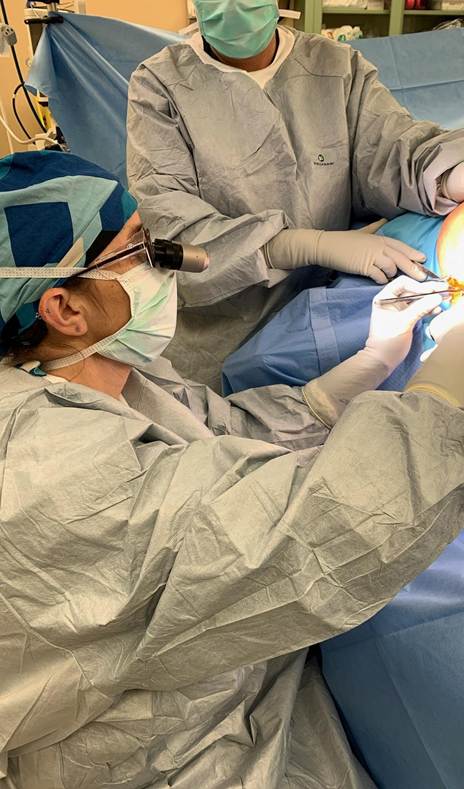
Nerve entrapment occurs when a nerve gets compressed or pinched at a specific anatomical site. Classic examples in the foot and ankle include tarsal tunnel syndrome (compression of the tibial nerve behind the ankle), common peroneal nerve and interdigital neuroma between the toes. The nerve itself is structurally normal — it’s just being squeezed, which is why targeted treatment at the entrapment site can be very effective.
Metabolic neuropathy results from systemic disease disrupting nerve health from the inside out. Diabetic peripheral neuropathy is the most prevalent example — elevated blood glucose causes enlargement to the nerve in the tunnel creating pressure on the nerve. Hypothyroidism and vitamin B12 deficiency can also be examples.
Spinal causes originate not in the foot itself but much higher up. A herniated lumbar disc, lumbar stenosis, or nerve root compression at levels like L4–L5 or S1 can produce symptoms that radiate all the way down the leg and into the foot — mimicking a local foot problem but requiring a very different treatment approach.
A neuroma can be a nerve that is enlarged, pinched or injured in your foot or ankle. This can lead to symptoms such as numbness, tingling or shooting pain. It often feels like a sock is bunched up in your shoe. It ranges from barely noticeable to not being able to tolerate any shoe gear. Many times, your pain can be resolved with conservative treatment. This can include shoe gear modification, cushions to wear, orthotics and injections. For some, conservative treatment may not get their pain level to where they would like it to be, that’s when surgical options can be discussed.
Call the Foot & Ankle Specialists of Ames at (515) 444-2390 or email info@fas-ames.com to make an appointment!
Nerve entrapment happens when a nerve gets squeezed or trapped as it travels through a tight space in your foot or ankle. The result can be burning pain, numbness, tingling, or weakness — sometimes in places that seem far from the real problem. Many patients have been told their pain is “just part of healing.” If that sounds familiar, we’d like to take a closer look.
Scar tissue that forms after ankle replacement or fusion surgery can press on nearby nerves. This is a common — and commonly missed — reason patients still have burning or shooting pain long after their procedure.
Difficulty lifting the front of your foot when you walk often means a nerve called the peroneal nerve is being compressed. Catching your toe on the ground isn’t just a tripping hazard — it’s a treatable nerve problem.
We start simple. Most of the time, a careful conversation and a hands-on exam tells us exactly which nerve is involved. We only add testing when the results will change how we treat you.
We always start with the least invasive approach that makes sense for your situation.
Custom inserts or a supportive brace can take pressure off an irritated nerve and correct the mechanics that started the problem.
Nerve gliding exercises and targeted strengthening help free the nerve from surrounding tissue and reduce sensitivity over time.
Using ultrasound guidance, we inject fluid to gently separate the nerve from scar tissue or adhesions — a minimally invasive alternative to surgery.
For drop foot, an ankle-foot orthosis supports your foot during walking, prevents falls, and gives the nerve time to heal while you stay on your feet.
When other treatments haven’t delivered enough relief, surgically releasing the tissue pressing on the nerve can produce dramatic improvement — especially when we’ve confirmed exactly which nerve is involved.
This deep-tissue laser delivers light energy directly into the affected area, reducing inflammation, improving circulation, and stimulating the nerve’s own healing process. Unlike lower-powered lasers, Class IV reaches structures deep beneath the skin — making it particularly effective for stubborn nerve pain that hasn’t responded to other conservative care. Treatments are quick, painless, and done right here in our office.
Call the Foot & Ankle Specialists of Ames at (515) 444-2390 or email info@fas-ames.com to make an appointment!
It is not uncommon for a patient with diabetes to experience nerve pain. Unfortunately, the nerves are affected by elevated blood sugars, especially if blood sugars are not well controlled. This can affect the nerve itself, but it can also cause the nerve to have increased pressure when it swells going through various natural tunnels in the lower limb. This can cause numbness in the feet which is what causes a patient to be at risk for ulceration and amputation. That is why it is so important for patients with diabetes to have regular visits with their podiatrist. The earlier potential problems are addressed, there is an improved chance of reducing complications related to diabetes. It is important to control your blood sugars, check your feet everyday and make sure you are wearing proper shoe gear. If you suffer from nerve pain, get the evaluation with Dr. Nelson to see if there are other options for your neuropathy pain.
Call the Foot & Ankle Specialists of Ames at (515) 444-2390 or email info@fas-ames.com to make an appointment!